
Agent-driven Freight: The Rise of Autonomous Brokers
Transform freight procurement and operations with Agentic AI that autonomously matches capacity, negotiates rates, manages execution, and responds to real-time disruptions.

Freight brokerage has traditionally depended on human expertise, relationships, phone-based negotiation, and operational intuition. While this model continues to create value, fragmented data, manual processes, market volatility, and the sheer volume of decisions required across shipments, limit speed, consistency, and scalability.
Agentic AI is creating a new operating model for freight marketplaces. Autonomous software agents can continuously evaluate capacity, rates, carrier performance, service levels, compliance requirements, weather, traffic, and other real-time signals to make and execute decisions within defined business and risk parameters.
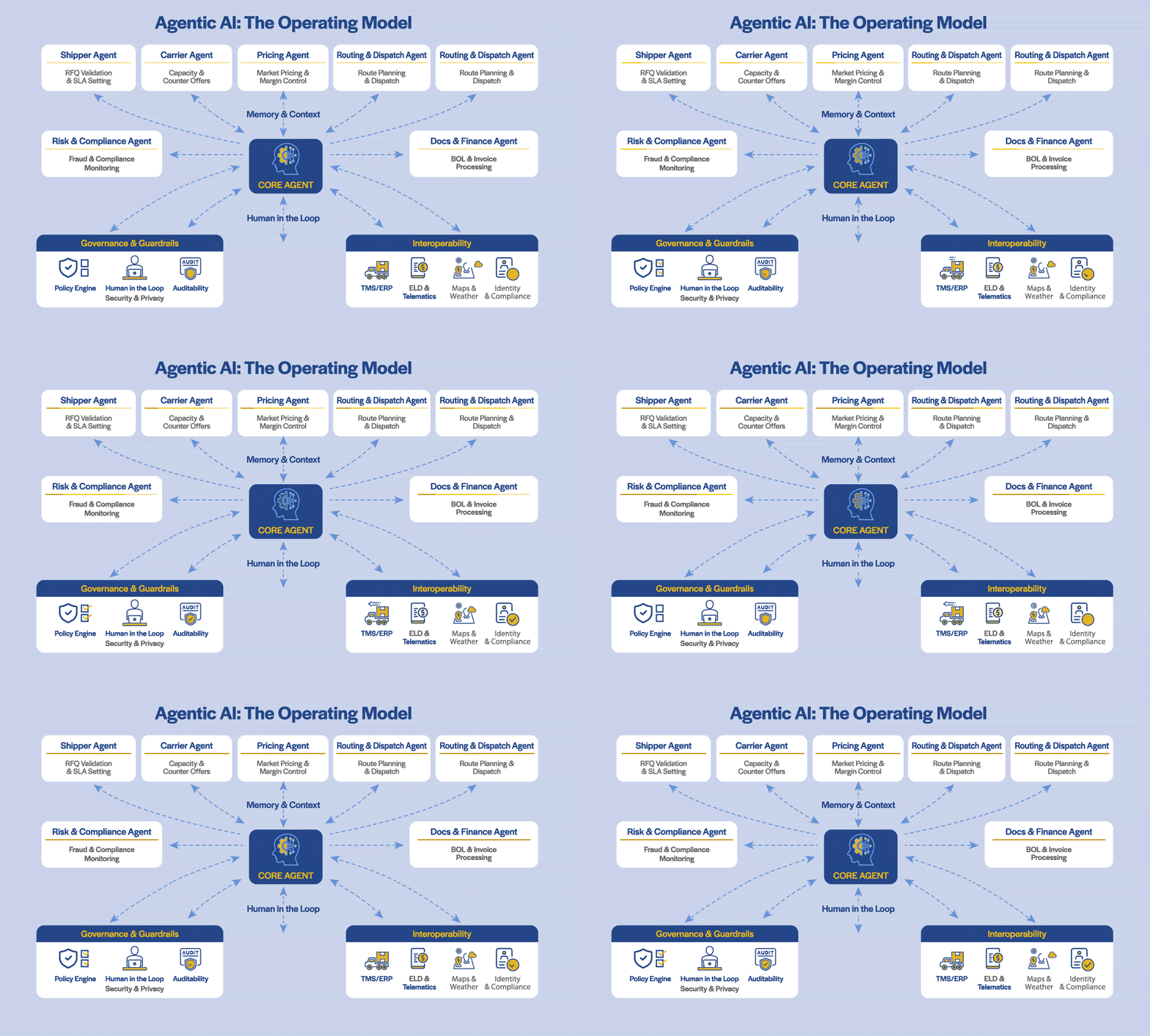
Unlike traditional digital brokerage, which primarily digitizes existing workflows, agent-driven marketplaces operationalize intent. Shipper, carrier, pricing, routing, risk, and documentation agents can work together to match loads and capacity, negotiate rates, execute contracts, manage dispatch, respond to disruptions, and automate documentation and billing.
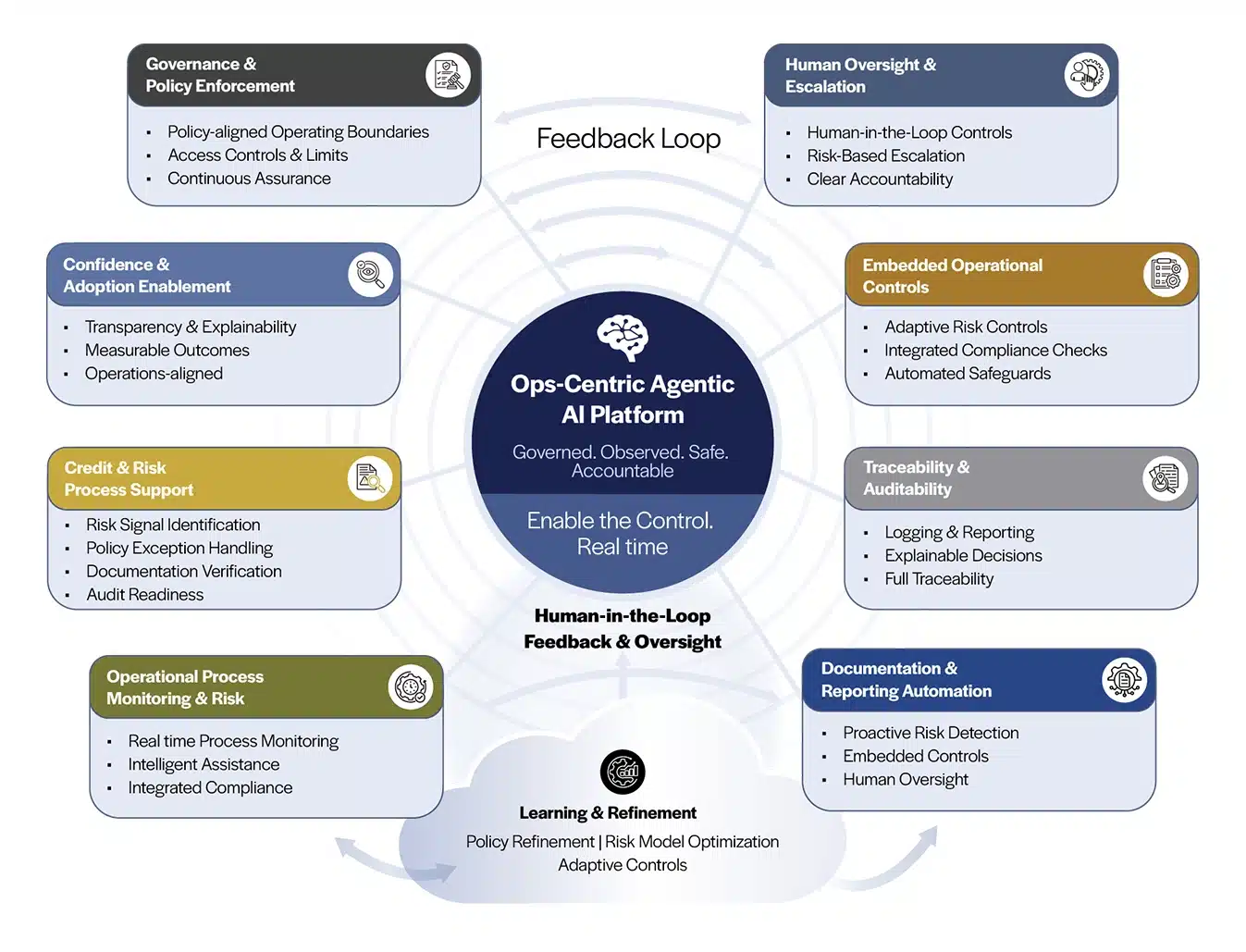
The model also enables more intelligent and transparent decision-making. Agents can continuously optimize multiple objectives, including cost, service reliability, carrier performance, capacity utilization, and carbon intensity, while maintaining an auditable record of decisions and ensuring that actions remain within defined policies.
Human expertise remains central. A Human-in-the-Loop operating model allows agents to manage high-volume, data-intensive decisions at machine speed while people retain control over strategic decisions, complex exceptions, customer relationships, and situations requiring judgment or empathy.
For shippers, carriers, brokers, and logistics providers, this can translate into faster matching, improved capacity utilization, more predictable pricing, fewer empty miles, stronger compliance, and greater service reliability. The result is a freight ecosystem that is more responsive, transparent, and efficient.
The transition requires more than deploying AI agents. Organizations must establish a strong data foundation, integrate transportation and enterprise systems, define governance and risk controls, protect sensitive information, and establish measurable business outcomes. A phased approach allows organizations to build confidence in autonomous decision-making while progressively expanding the scope of agent-driven operations.
Read our perspective paper to explore how Agentic AI is reshaping freight brokerage and discover a practical approach to building governed, autonomous freight marketplaces that combine machine-speed execution with human judgment.